Use this Orange County car accident checklist in order: protect people, call for help, identify the drivers and witnesses, photograph the full scene, preserve original files, document medical care, and check California’s DMV reporting rule. If an injury prevents you from collecting evidence, ask a trusted person to handle the scene checklist while you receive care.
The details matter because “document everything” is not useful when you are shaken after a collision. Orange County personal injury attorney Joseph Gallo of Gallo Law tells clients which people, documents, vehicles, and locations to capture before they disappear.
For real-time help at the collision location, use Gallo Law’s Call From the Scene program. Safety comes first. Complete only the items you can handle without entering traffic, interfering with emergency responders, or delaying necessary medical care.
Safety checklist
- Stop at the scene and move to a safe location when appropriate.
- Turn on hazard lights when appropriate.
- Check yourself and your passengers for injuries.
- Call 911 when someone may be injured or the location is dangerous.
- Move away from active traffic when you can do so safely.
- Follow instructions from police, firefighters, paramedics, and other responders.
- Do not move an injured person unless emergency instructions or immediate danger requires it.
Gallo puts health ahead of claim strategy. “They’ve got to take care of their health,” he said in an interview. A photograph can wait when someone needs emergency help.
Driver and vehicle information checklist
Collect information directly from every involved driver. Photograph documents when possible and ensure that photos are legible.
- Full name, address, phone number, and email address
- Driver’s license and license number
- Insurance company and policy number
- Vehicle registration
- License plate number and state
- Vehicle year, make, model, and color
- Name and contact information for the vehicle owner if different from the driver
The California Department of Insurance accident guide advises drivers to exchange names, addresses, driver’s license numbers, vehicle identification, and insurance information. Keep your own notes even if an officer is also collecting information.
Do not turn the exchange into a fault argument. Gallo has seen drivers accept blame and later change their account. Record what was said, then focus on preserving independent evidence.
Vehicle damage checklist
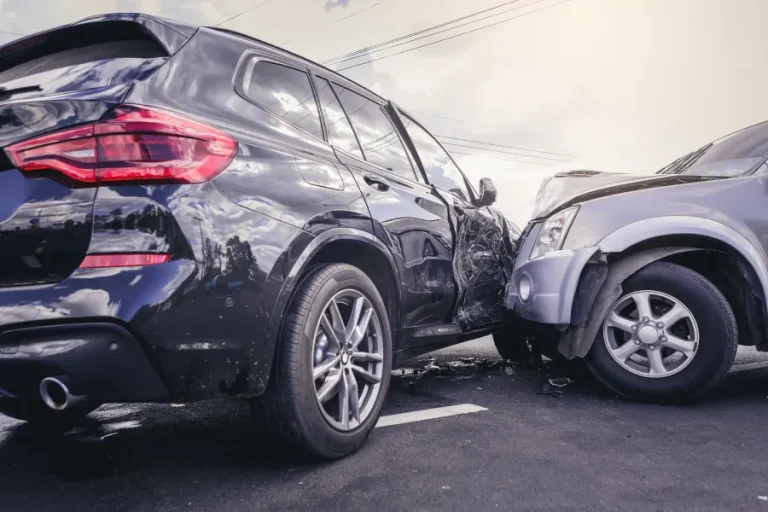
Start with wide views before taking close-ups. Wide images establish where the damage appears on each vehicle and how the vehicles’ locations relate to the roadway.
- All four sides of every involved vehicle
- Front and rear license plates
- Each visible area of impact
- Broken glass, detached parts, paint transfer, and debris
- Deployed airbags and damaged interior components
- Tire or wheel damage
Do not photograph only the most dramatic damage. A scrape, wheel position, or debris field may help explain the impact. Keep the original files intact.
Roadway and scene checklist
Photograph from safe positions. Capture the overall scene first, then the individual features that may change after vehicles are moved and debris is cleared.
- Final resting position of each vehicle.
- Direction each vehicle had been traveling.
- Intersection layout, travel lanes, turn lanes, and medians.
- Traffic lights, stop signs, yield signs, and warning signs.
- Lane markings, crosswalks, and bicycle lanes.
- Skid marks, tire marks, fluid, broken parts, and debris.
- Road surface, construction, potholes, or obstructions.
- Weather, lighting, and visibility.
- Nearby address, intersection name, landmarks, or mile marker.
- Police, fire, ambulance, or tow vehicles present.
Camera checklist
Video can disappear even when nobody intentionally destroys it. Look outward from the collision point and note every place that may have captured the roadway.
- Storefront and restaurant security cameras.
- Parking garage or parking lot cameras.
- Home security or doorbell cameras.
- Gas station, bank, bus, rideshare, or commercial-vehicle cameras.
- Traffic or municipal cameras.
- Dashcams in involved or nearby vehicles.
Write down the address, business name, and camera direction. Do not trespass or demand access. Ask how long recordings are retained, or have counsel send a preservation request.
Gallo’s anonymized Long Beach red light case shows why this step matters. He found a restaurant camera aimed toward the intersection and obtained footage showing the other driver entering against the light. The system would have recorded over the collision within weeks.
Witness checklist
Get contact information directly from each willing witness before that person leaves.
- Full name.
- Phone number.
- Email address.
- Where the witness was located.
- What part of the event the witness appeared to observe.
- Whether the witness took photographs or video.
- Vehicle description or license plate if the witness must leave quickly.
Do not assume a police response guarantees that every witness will appear in a report. Gallo described a case in which an officer spoke with a witness, but no traffic collision report was prepared and the witness could not be found later.
“Get the witness contact information immediately before the police show up to the scene,” Gallo said. You shouldn’t interfere with an officer. Your goal is solely to have your own direct way to reach a person whose information may otherwise be lost.
Injury and medical-care checklist
Seek medical help based on your symptoms and qualified medical advice. A legal checklist cannot diagnose an injury or decide which facility is appropriate.
- Tell responders and providers what happened and where you feel symptoms.
- Do not minimize symptoms to sound tough or avoid inconvenience.
- Keep treatment and discharge records.
- Save prescriptions, referrals, work restrictions, and follow-up instructions.
- Note when symptoms begin and whether they worsen, improve, or stay stable.
- Photograph visible injuries when appropriate.
- Keep follow-up instructions, medical bills, and health-insurance explanations of benefits.
Some symptoms are not obvious at the roadside. A reflexive “I’m fine” describes one moment; it is not a medical conclusion. If symptoms develop or worsen, seek appropriate guidance and describe the timing accurately.
If you leave in an ambulance
Delegate the remaining scene work when you cannot safely complete it. Give a trusted friend or family member the exact location and this short assignment:
- Photograph the vehicles and roadway without entering traffic.
- Collect willing witness contact information.
- Identify nearby cameras and their owners.
- Save the incident or report number.
- Send or back up the original files.
According to Gallo, a friend or family member may arrive while police, firefighters, and medical personnel are still present. The helper’s role is preservation, not confrontation. They should not question injured people, interfere with responders, or argue with the other driver.
First-day records checklist
Place the crash materials in one physical folder or backed-up digital folder. Use clear filenames and retain the originals.
- Photographs and videos from every person who helped.
- Driver, owner, vehicle, and insurance information.
- Witness details.
- Police incident number and responding agency.
- Tow and repair communications.
- Medical instructions, prescriptions, and receipts.
- A factual timeline written while events are fresh.
- Insurer names, claim numbers, adjuster contacts, and call notes.
Separate what you personally observed from what another person told you. Avoid posting about fault, injuries, activities, or recovery on social media while the facts and medical picture are developing.
Insurance-call checklist
Before discussing the collision in detail, identify the caller and the purpose of the request. Get this information from them:
- Adjuster’s name, company, phone number, and email address
- Claim number
- Whether the adjuster represents your insurer or another party
- Whether the request is for basic notice, a detailed interview, or a recorded statement
- Any deadline and any document, authorization, estimate, or release the insurer wants signed
Your own insurer may request cooperation under the policy. The other driver’s insurer is evaluating a claim against its insured. Ask for unclear requests in writing and get advice before giving a detailed or recorded account or signing a release.
California SR-1 checklist
A police report and an insurance claim do not replace the California DMV filing. The DMV requires an SR-1 report within 10 days when anyone was injured or killed, or when property damage exceeded $1,000.
Gather:
- Your driver’s license, vehicle, and insurance information.
- The other driver’s and vehicle owner’s information.
- The collision date, time, and location.
- Known injury or property-damage information requested by the form.
- A copy of the completed report and proof of submission.
The filing applies regardless of fault. Check the current DMV instructions rather than assuming the police, CHP, or insurer submitted it for you.
Before signing or accepting payment
- Read every release and authorization.
- Confirm which claims, people, vehicles, or losses the document covers.
- Ask whether accepting payment ends any part of the claim.
- Keep a copy of every signed document.
- Get legal advice when the effect is unclear.
Gallo warns that an early offer can arrive before injuries, bills, and treatment are fully known. A fast check may solve an immediate problem, but the release you sign may limit or end further claims.
Keep the checklist, then add more information and evidence as it becomes available
No checklist can recreate evidence that disappeared or decide which missing item controls a particular claim. It can give you a reliable starting record and show where prompt follow-up is needed.
Gallo Law can review what was preserved, identify time-sensitive witness or camera work, and communicate with insurers while you focus on care. Use the Call From the Scene program for immediate guidance, or contact Gallo Law at (949) 414-5508 after you are safe.