After an Orange County car accident, protect people first, then preserve the facts that may disappear. Call 911 when someone may be injured, move only when it is safe, identify the drivers and witnesses, photograph the scene, arrange appropriate medical care, notify the right insurer, and check whether California’s 10-day DMV reporting rule applies.
One tip that can save you time and help you get more done at the scene: delegate the scene work when you cannot do it yourself. If an ambulance is taking you away or you are too shaken to collect information, ask a trusted friend or family member to go to the location and preserve what remains.
Gallo Law also offers real-time guidance from the accident scene when the next step is unclear. The goal is a controlled sequence, not trying to solve the entire claim beside a damaged car.
Looking for immediate help with a car accident claim? Call 949-414-5508 now.
During the first minutes, protect people and call for help
Immediate danger and medical needs come before photographs or insurance information. Stop, assess the surroundings, call 911 when someone may be injured, and follow instructions from emergency responders. When asked what a person should do in the first hour after a crash, Gallo advises:
“It’s dependent on how injured they are. They’ve got to take care of their health. They’ve got to get to the hospital, get under medical care.”
If vehicles are blocking traffic, move them only when it is safe and lawful to do so. Use hazard lights and avoid standing in active lanes. Do not move an injured person unless emergency instructions or an immediate danger requires it.
Before leaving, identify the people and vehicles
Once immediate safety is under control, collect enough identifying information to prevent confusion later. Record each driver’s name, contact information, driver’s license, insurance company, policy number, vehicle registration, and license plate.
Photograph the information when the other driver permits it, then check that the images are readable.
Avoid arguing about fault. A roadside apology, accusation, or confident promise does not replace the physical evidence. Gallo has seen drivers accept blame at the scene and later change their account. Preserve the facts instead of negotiating a verbal agreement.
Preserve a wide view of the scene
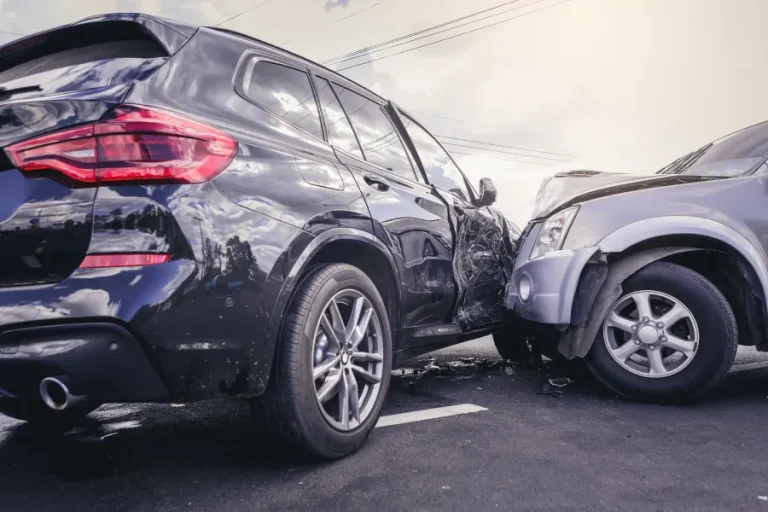
Photograph the scene from safe positions before vehicles, debris, and traffic conditions change. Start with wide images that show where the vehicles came to rest and how the roadway is arranged. Then capture vehicle damage, license plates, signals, signs, lane markings, skid marks, debris, weather, and visible injuries.
The purpose is to preserve details that may matter later: each vehicle’s lane, the traffic controls, the apparent point of impact, and nearby objects or businesses.
Look for cameras on storefronts, parking structures, homes, buses, or traffic facilities. Write down the location and apparent owner. Do not trespass or demand access at the scene.
Orange County personal injury attorney Joseph Gallo saw the value of acting quickly in a Long Beach case involving a disputed red light. He identified a restaurant camera pointed at the intersection and secured footage showing the other driver entering against the light. Without his action, the recording system would have eventually overwritten the footage, which is why early identification of cameras is so important.
Get witness information directly
Ask willing witnesses for their names and phone numbers before they leave. Note where each person was and what they appeared to observe.
Do not assume a police response guarantees that every witness will appear in a later report. In another case Gallo handled, an officer spoke with a witness and said a report would preserve the information. No traffic collision report followed, and the witness could not be located later.
That experience changed Gallo’s advice:
“Get the witness contact information immediately before the police show up to the scene.”
The point is not to interfere with an officer. It is to preserve a direct way to reach the witness if the formal record is incomplete.
Delegate the scene when medical care takes you away
Leaving the scene for medical care does not mean the remaining evidence has to be abandoned. If you are able to communicate, tell a trusted person where the accident occurred and ask whether they can help document what remains.
Gallo recommends having a friend or family member go to the scene when an injured person cannot stay. That person may photograph the vehicles and roadway, collect willing witness information, and identify nearby cameras while you receive care. Gathering evidence at the scene is crucial for protecting your personal injury claim and future legal options.
The person helping should not obstruct emergency responders, confront the other driver, or speculate about fault. Their job is just to preserve information.
During the first day, build one reliable record
After leaving the scene, place the important materials in one physical or digital location. Save original photographs and videos, medical instructions, towing information, repair communications, witness details, and the incident or report number.
Write a factual timeline while the sequence is fresh. Save a Google Maps overview or Street View image of the location and draw your best recollection of how the accident happened. Include each vehicle’s direction, what you saw and heard, what happened after the impact, and when symptoms appeared. Separate your own observations from information given to you by someone else.
Avoid posting an account of the crash or your recovery on social media. A casual update can create a second, less precise record while the facts and medical picture are still developing.
If a nearby camera may contain footage, send a preservation request promptly or ask your legal counsel to do it. Gallo’s red-light example shows that delay can erase evidence without anyone acting in bad faith.
Seek appropriate medical care and follow the instructions
Medical decisions belong to you and qualified health professionals, not an insurer or a legal marketing formula. Seek emergency care for emergency warning signs. For non-emergency symptoms, get prompt medical guidance from urgent care or your primary care doctor. Describe the collision and symptoms accurately.
Some symptoms may not be obvious at the scene. The CDC explains that some mild traumatic brain injury or concussion symptoms appear immediately, while others may appear hours or days later. That does not prove a diagnosis. It explains why a roadside “I’m fine” is not a substitute for medical evaluation.
Keep discharge instructions, referrals, prescriptions, and information about follow-up appointments. If symptoms change, follow the provider’s instructions about additional care. Do not exaggerate complaints, and do not minimize them to sound tough or avoid inconvenience.
When an insurer calls, identify the caller before explaining the crash
Ask whether the adjuster represents your insurer or the other driver. Record the adjuster’s name, company, phone number, and claim number.
The California Department of Insurance says your insurer may seek detailed information and take a written or recorded statement. Your policy may impose cooperation duties, so do not ignore your own carrier.
A call from the other driver’s insurer has a different purpose. You can ask for the request in writing and get advice before giving a detailed or recorded account. If you are shaken, Gallo suggests saying that you need time to calm down and understand what happened before returning the call.
Within 10 days, check the California SR-1 requirement
A police report or insurance claim does not replace a required DMV filing. California requires an SR-1 report within 10 days when anyone was injured or killed or when property damage exceeded $1,000.
The driver, insurance agent, broker, or legal representative may complete the form. The requirement applies regardless of fault, and the SR-1 is separate from reports made to police, CHP, or an insurer.
Keep a copy and proof of submission with your accident records.
During the first week, protect what is still changing
In the first week, scattered information about the accident starts to come together to form a claim record. Continue appropriate medical follow-up, collect bills and work loss information, obtain available reports, and confirm whether witnesses or video have been preserved.
Do not sign a release merely because the insurer offers a quick payment. Gallo explains that injuries, bills, and treatment take time to develop. The terms of the release may prevent you from seeking additional compensation as more information becomes available.
Continue tracking unanswered questions: which insurer handles each loss, whether fault is disputed, whether video has been requested, and whether anyone wants a statement, authorization, or signature.
Frequently Asked Questions
Should I call the police after an Orange County car accident?
Call 911 when someone may be injured or the scene is dangerous. For non-emergency collisions, follow the local agency’s reporting instructions. A police response does not replace a required DMV SR-1.
What if I could not take photographs?
Write down what prevented you from taking photos and ask whether a passenger, witness, responding agency, tow company, nearby business, or family member preserved images. A lawyer may be able to identify other evidence sources.
What if the other driver admitted fault?
Preserve the exact statement in writing, audio, or a witness account when lawfully available, but continue collecting independent evidence. Gallo has seen drivers change their accounts after leaving the scene.
Should I give an insurance statement immediately?
First identify which insurer is calling and what the adjuster wants. Your own policy may require cooperation, while a request from the other driver’s carrier involves different duties and interests. Prepare before giving a detailed or recorded statement.
Put the next step in order
The hours after a collision can feel like a pile of unrelated problems. The process becomes more manageable when safety comes first and each later step protects a specific fact.
Gallo Law can help preserve scene evidence, identify potentially disappearing video, communicate with insurance companies, and organize the claim record while you focus on your recovery. Use the Call From the Scene program for immediate guidance, or contact Gallo Law at (949) 414-5508 after you are safe.